

Why Digital Employee Experience (DEX) Is the New Strategic Priority for IT
In his brilliant book Alchemy, Rory Sutherland writes:
“The problem with logic is it kills off magic. But magic is often what makes things work.”
We live in an era where digital employee experience (DEX) has become one of the most important strategic pillars for IT within organizations. IT asset inventory and system metrics are no longer enough. Today, successful companies understand that, in order to achieve efficiency, innovation, and productivity, they must truly grasp how employees feel when interacting with technology.
This concept holds especially true when we talk about workplace technology. Yes, logic and numbers matter — but they don’t tell the full story.
Metrics Matter. But What About Feelings?
For years, IT has been driven by metrics: response times, system uptime, CPU usage, and more. While such data remains essential, it doesn’t reflect what often matters most: how employees perceive and experience the technology they use daily.
In reality, a system may appear to be functioning well from a technical standpoint, yet still frustrate users due to poor usability, delays, or lack of integration. Overlooking these human aspects can lead to reduced productivity, higher ticket volumes, and even staff turnover.
That’s precisely why digital employee experience (DEX) has come into focus over the past few years.
What Is DEX, and Why Does It Matter?
DEX refers to the overall perceptions, feelings, and interactions an employee has with the digital tools provided by their organization — from devices and apps to systems, networks, and more.
According to Gartner, over 50% of organizations are now using DEX platforms to enhance how employees engage with technology. And this number continues to rise.
The reason is clear: companies that prioritise the digital employee experience benefit from greater engagement, higher productivity, and improved talent retention.
Merging Technical Data and Human Sentiment: The Power of Collective IQ®
This is where Collective IQ® by Almaden comes into play. Unlike traditional IT monitoring tools, Collective IQ® was designed to combine technical performance data with genuine employee sentiment.
Rather than focusing solely on system performance, Collective IQ® helps IT leaders see how people truly feel about the technology they use. It does this through intelligent surveys, usage data, and a blend of hard metrics and subjective feedback.
The result is a clear, prioritised roadmap for IT action — grounded in what’s really impacting the user experience.
Key Benefits of Collective IQ®
Beyond its human-centric approach, Collective IQ® offers several practical advantages:
- It removes the need for costly professional services and lengthy implementation cycles, unlike many legacy DEX providers.
- It delivers actionable feedback on devices, apps, and performance — sourced directly from IT assets and employee responses.
- It integrates IT Asset Management (ITAM) and DEX into one unified platform — finally!
Stop Guessing, Start Understanding
The digital employee experience is no longer a “nice to have” — it’s a strategic necessity. Ignoring how employees feel when using technology can be costly in terms of satisfaction, efficiency, and even business outcomes.
As Rory Sutherland reminds us:
“Magic is just something we don’t understand yet.”
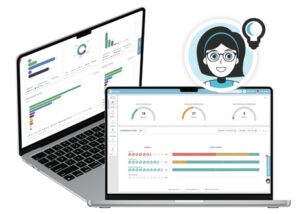
With Collective IQ®, Almaden is helping IT teams get closer to truly understanding the full picture — combining what can be measured with what really matters.
It’s time to stop guessing what’s wrong — and start listening to the people who know best: your employees.

Do you want to learn about transforming your organization’s digital employee experience?
Explore Collective IQ® by Almaden.